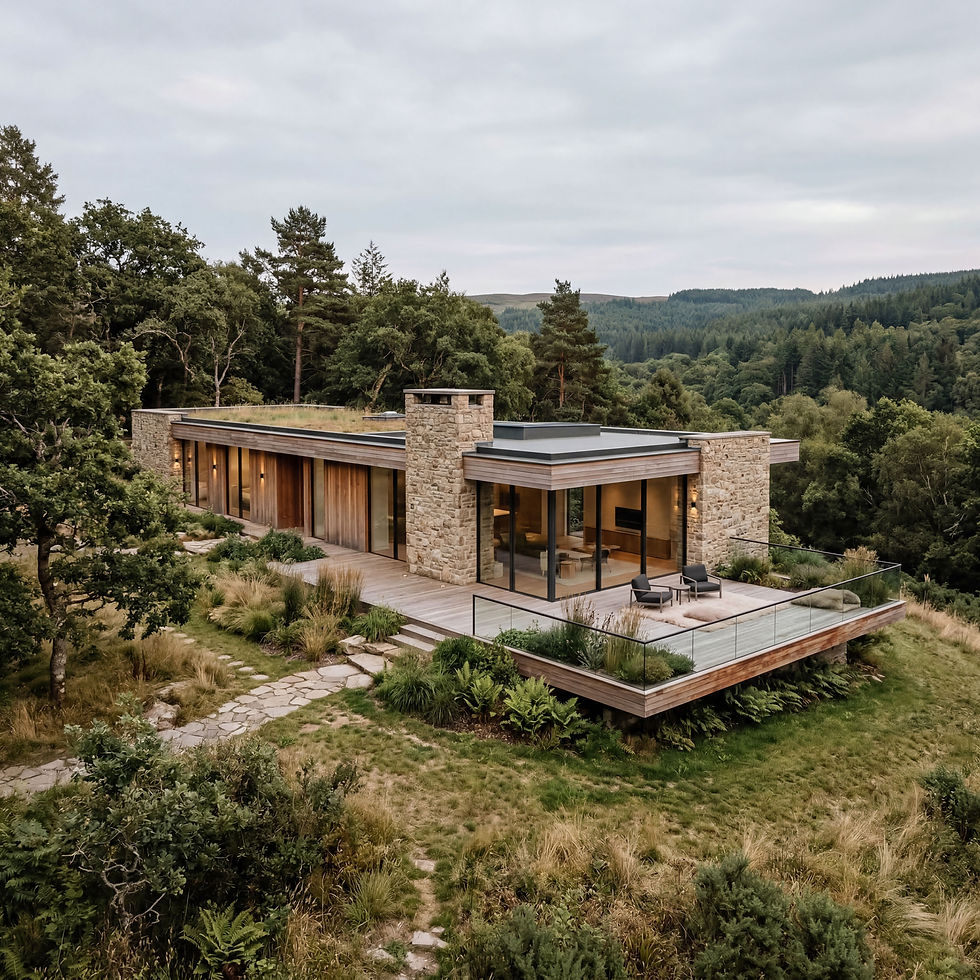
Why Passive Houses Are the Future of Healthier, More Comfortable Living

Updated: Aug 25
Imagine living in a home that's warm in winter, cool in summer, filled with fresh air and remarkably inexpensive to run. That isn't a luxury reserved for the future. It's the thinking behind Passive House design—a building standard that combines exceptional comfort with dramatically lower energy use.

At Kerridwen Green, we believe a home should do more than look beautiful. It should support your wellbeing, tread lightly on the planet and feel easy to live in. Passive Houses are one of the clearest examples of that philosophy in action.
What is a Passive House?
A passive house is a building designed to minimise energy consumption. Passive houses use a variety of architectural design and construction techniques to achieve this. The basic components include:
Excellent insulation – keeping warmth in during winter and helping prevent overheating in summer.
High-performance windows and doors – reducing heat loss while maximising natural light.
Airtight construction – eliminating unwanted draughts and helping prevent condensation and damp within the building fabric.
Thermal bridge-free design – avoiding cold spots where heat escapes and condensation can occur.
Mechanical ventilation with heat recovery (MVHR) – continuously supplying fresh, filtered air while recovering heat that would otherwise be lost.
Passive solar design – carefully positioning the home to make the most of the winter sun while using roof overhangs, trees and landscaping to provide shade during the hotter months.

Why People Love Living in Passive Houses
The Benefits of Passive House Design
So, what makes Passive Houses different—and why are more people choosing to live in them?
Lower Energy Bills: Passive Houses are designed to use dramatically less energy than conventional homes—often by as much as 90% for heating and cooling. This can translate into significantly lower energy bills over the lifetime of a home, while also reducing its environmental impact.
Year-Round Comfort: Forget draughts, cold corners and overheated rooms. Thanks to excellent insulation, airtight construction and high-performance windows, Passive Houses maintain a remarkably stable indoor temperature throughout the year, creating a home that's comfortable in every season.
Healthier Indoor Air: Continuous filtered ventilation supplies fresh air while removing excess moisture, pollutants and allergens. For many people, this creates a fresher, healthier indoor environment and can help improve comfort for those with allergies or respiratory conditions.
A Smaller Environmental Footprint: Because they require far less energy to heat and cool, Passive Houses produce significantly fewer greenhouse gas emissions than conventional buildings. They offer one of the most effective ways of reducing a home's environmental impact without compromising on comfort or design.
Built for a Changing Climate: As heatwaves, storms and extreme temperatures become more common, Passive Houses are designed to remain comfortable and resilient. Their exceptional insulation and airtight construction help maintain a stable indoor environment, even when conditions outside become more challenging.
For a simple introduction to the Passive House standard, we recommend this TEDx Talk by green building expert Jeff Colley.
Things to Consider Before You Build
Like any building standard, Passive Houses involve trade-offs. Understanding them from the outset helps you make informed decisions. While passive houses offer numerous benefits, it's essential to consider potential drawbacks. Here are a few cons to keep in mind:
Initial Cost: Passive houses may have a higher upfront cost due to specialised materials and construction techniques. However, these costs are often offset by long-term energy savings.
Retrofitting Challenges: Converting an existing building into a passive house can be more complex and costly than building one from scratch.
Ventilation Maintenance: The sophisticated ventilation systems require regular maintenance and filter replacement.
Limited Availability: Depending on your location, finding a certified passive house or suitable builders may be challenging.
If you're considering building or renovating a home, remember that energy efficiency is only part of the story. The best homes combine thoughtful design, healthy materials and lasting quality to create spaces that are comfortable, beautiful and built for the future.
Are Passive Houses Always Sustainable?
Not necessarily—and this is a common misconception. A Passive House is an energy-efficiency standard, not a guarantee that every material used in its construction is natural, healthy or environmentally friendly.
For example, a Passive House can be built using conventional insulation, concrete and synthetic materials, while another may incorporate renewable materials such as cork, wood fibre, cellulose, sheep's wool or sustainably sourced timber.
At Kerridwen Green, we believe the best homes combine exceptional energy performance with thoughtful material choices. A home that is efficient, healthy and built to last is, in our view, the gold standard.
We'll be exploring natural building materials, healthy interiors and bio-based construction in future articles. If you'd like them delivered straight to your inbox, you can subscribe to the Kerridwen Green newsletter here.
Looking Ahead
One of the greatest strengths of the Passive House standard is its flexibility. Whether contemporary or traditional, built in the Mediterranean or the mountains, new-build or carefully renovated, Passive Houses demonstrate that exceptional comfort, efficiency and beautiful design can coexist. For anyone planning a new home—or rethinking an existing one—they're a standard well worth exploring.
Shop the Look
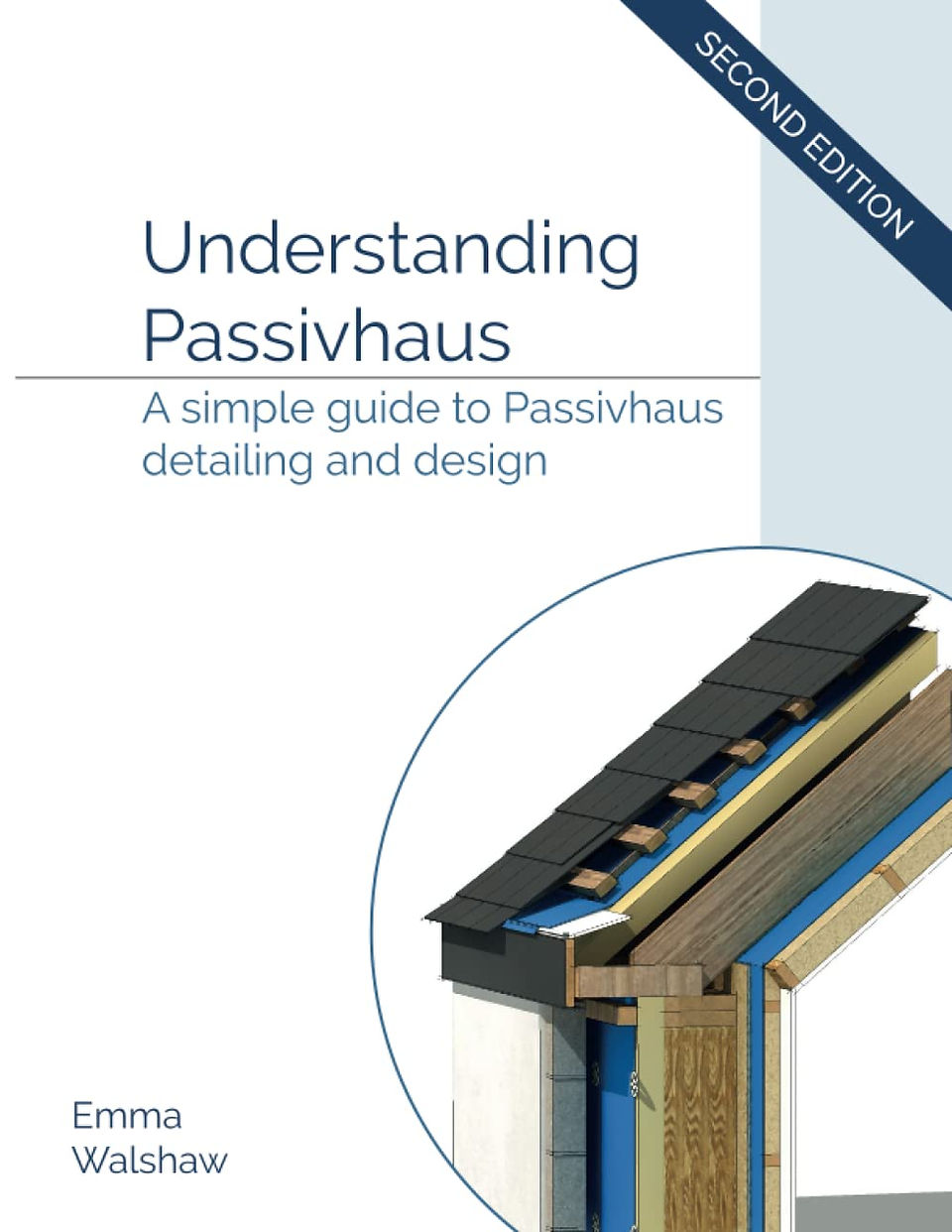
A clear, illustrated guide to Passivhaus principles, construction methods and technical detailing. A 
A beautifully illustrated exploration of contemporary homes designed with sustainability, natural ma
Discover more conscious pieces in The Green Edit →
Some links on this page are affiliate links, which means Kerridwen Green may earn a small commission if you make a purchase, at no additional cost to you. As an Amazon Associate we earn from qualifying purchases. All products are selected independently and recommended for their quality, usefulness or considered approach to sustainability.
Sources & Further Reading
International Passive House Association
International Journal of Environmental Research and Public Health
If this way of thinking resonates with you, explore more articles in our Living magazine, where we share ideas for creating homes—and lives—that are healthier, more beautiful and built to last.
You might also like:
Enjoyed this article? Subscribe to the Kerridwen Green newsletter for thoughtful ideas on creating healthier, more beautiful homes and living well, one considered choice at a time.